

Photo by Robert DeSanto via YaleNews
Here’s what everyone believes: inequality motivates people to work harder. The American Dream says if you just hustle enough, you’ll climb that ladder. Right now, 37 million Americans are living in poverty - that’s nearly 12% of the population - and most of them are working their asses off.
But here’s what’s crazy: researchers studying the “Great Gatsby Curve” found the exact opposite is true. The more unequal a country becomes, the harder it is to escape poverty. The US has some of the lowest economic mobility rates among wealthy nations.
So the wild part is? The system that’s supposed to motivate you to climb is actually the same system making it nearly impossible to move up.
Your Brain on Broke
You know that feeling when you’re lying awake at 3am, mentally calculating whether you can afford both groceries AND that unexpected car repair? That’s not just stress. That’s your brain literally losing the ability to think clearly about your future.
Economists ran this brutal experiment. They asked people to imagine facing a surprise $500 car bill. Just imagine it - they didn’t even have to pay it. Then they gave them math problems to solve.
The people who imagined the financial hit? Their scores tanked. Same intelligence, same math skills, but suddenly they couldn’t think straight. That one hypothetical expense consumed so much mental energy that their brains had nothing left for basic problem-solving.
This is what living paycheck-to-paycheck does to you every single day.
The Trap Nobody Talks About
When you’re constantly worried about keeping the lights on, you don’t have the mental bandwidth to think about investing for retirement or starting that side business. You’re stuck in survival mode. The rich call it “long-term planning.” When you’re broke, you call it “a luxury I can’t afford.”
The scarcity mindset isn’t about being lazy or making bad choices. It’s about your brain being so overloaded with immediate threats that it can’t see opportunities right in front of you. You end up taking the high-interest payday loan because you literally cannot think past next Tuesday.
And here’s where it gets really twisted: this cognitive burden makes you more likely to make desperate financial decisions that dig you deeper. It’s not a character flaw. It’s what happens when your mind is running on fumes.
The One Factor That Actually Changes Everything
Want to know what predicts whether someone escapes poverty better than their income, their education, or how hard they work?
Who they know.
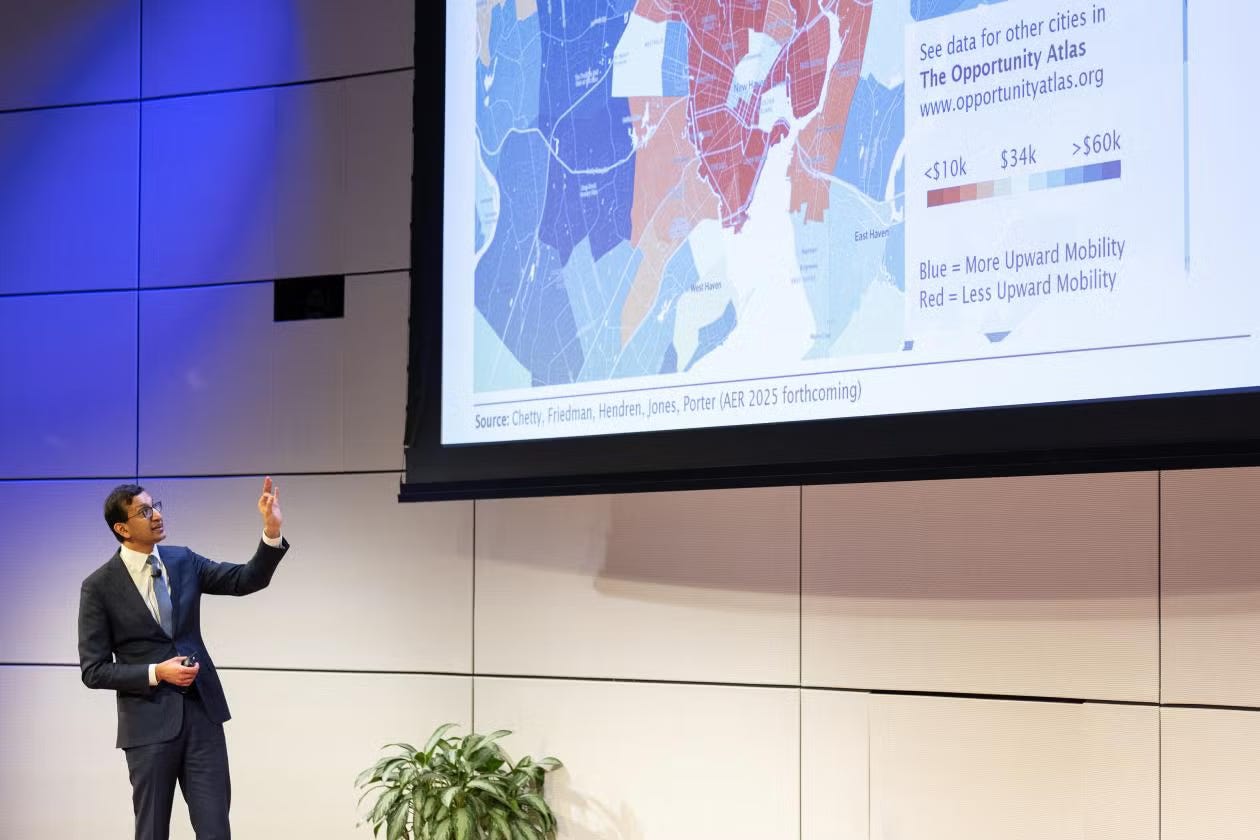
Yale researchers found that neighborhoods with stronger social connections - where low-income residents have relationships with higher-income people - see dramatically higher rates of economic mobility. It’s not about “networking” in that gross LinkedIn way. It’s about being exposed to opportunities, seeing what’s possible, and having someone who can vouch for you when it matters.
The data is stark: in areas with greater income segregation where rich and poor never interact, people born into poverty stay there. When you’re surrounded only by people facing the same struggles, you never learn the unspoken rules that wealthier people take for granted. You don’t hear about the job before it’s posted. You don’t know which certifications actually matter. You don’t have someone who can loan you $500 to avoid that predatory payday lender.
So the system keeps you stuck twice: first by draining your mental resources, then by isolating you from the exact people who could help you break out.
What Actually Works (No BS)
Look, we’re not going to pretend there’s some magic app that’ll solve systemic poverty. But if you’re trying to claw your way up, here’s what the research actually says works:
Start with one automated transfer. Not 15% of your income. Not some ambitious number that’ll last three weeks. Start with $20 a month going automatically to savings. The point isn’t the amount - it’s building the muscle memory of saving before your broke-brain can talk you out of it.
Cut one recurring expense you won’t miss. Not the things that bring you joy. That $6 coffee might be the only bright spot in your Tuesday. But that gym membership you haven’t used in four months? The streaming service you forgot you had? Kill it. One thing.
Find your people. This is the hard one because it feels fake. But joining one group - a professional association, a community org, even a free workshop at the library - where you’ll meet people outside your usual circle can change everything. Not immediately. Not magically. But over time, those connections become opportunities.
Protect your mental bandwidth. If you can automate any bill, do it. If you can sign up for income-driven repayment on student loans instead of lying awake doing math, do it. Anything that takes one decision off your plate gives your brain room to think bigger.
The point isn’t perfection. The point is giving yourself enough breathing room that your brain can start thinking past survival mode.
The Truth Nobody Wants to Say
Breaking out of poverty when the system is designed to keep you there isn’t about motivation or mindset or manifesting abundance. It’s about understanding that you’re not failing - you’re fighting against a rigged game that drains your mental resources and then judges you for not having any left.
The American Dream promised that hard work equals success. But here’s what the data shows: hard work plus social connections plus mental bandwidth plus a system that doesn’t actively work against you equals success.
Most people only have the first ingredient.
So if you’re stuck and exhausted and wondering why you can’t seem to get ahead no matter how hard you try? You’re not broken. The system is. But understanding why you’re stuck is the first step to getting unstuck.
The question is: what are you going to do about it?
Sources: